
Our trip to Cairo started on a direct flight from New York Kennedy to Cairo. We arrived Cairo around noon and checked into the Sheraton Hotel. The Hotel is right on the border between Cairo and Giza, where the pyramids are located. With the jet lag, we took a short nap and around 5 PM headed to Giza where the pyramids are. We had dinner nearby at the restaurant Abou Shakira. After dinner, we saw the first glimpse of the great pyramids. In the shadow of the dark, they looked eerie and colossal. Its looming presence dominated the entire landscape. There was a sound and light show, which by today’s standards looked very ordinary.
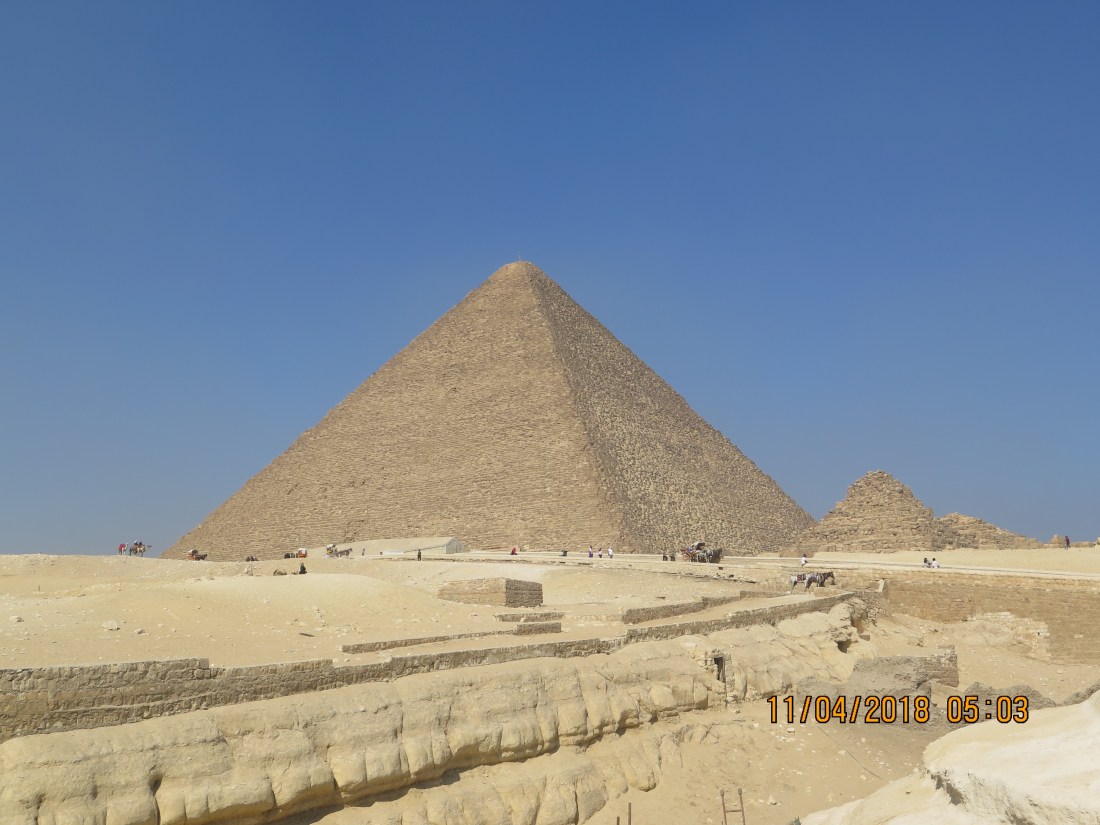
Day 1 starts with breakfast and a trip to Giza plateau, to visit the 3 pyramids. The largest is Khufu, built as a tomb for Pharaoh Cheops. Then there are the Khafre and Menkaure pyramids. With some difficulty, you can enter the pyramids, but it is a challenge. Also, there is nothing really to see because the interiors have either looted or moved to a museum. Hard to even imagine that something so mammoth, built 4000 years ago could have such extraordinary shape and impeccable geometry. Built as massive tombs for the pharaohs, they were constructed by teams of workers, thousands strong. They have survived today as an awe-inspiring tribute to the might, organization and achievement of ancient Egypt. The workers were actually farmers. When the river Nile covered the fields during the flood season, the farmers would be redeployed by the highly structured bureaucracy to work on the Pharaoh’s tombs. The floodwaters made it easier to transport the building stones to the site.
In front off the pyramids is a mammoth sphinx, the sculpture of a man with the haunches of a lion, so named by the ancient Greeks. More worthwhile is the slow and lazy camel ride around the pyramids, that gives you a breathtaking view of the pyramids infrastructure. You get an idea of the old settlements, complete with areas of large-scale food production and medical facilities.
After lunch at a very nice restaurant, El Dar Darak we drove to the previous capital city of Memphis. Eating in Egypt would never be an issue. They have very good breads, salads, grilled meats and the comfort foods like Hummus and Baba ganoush.
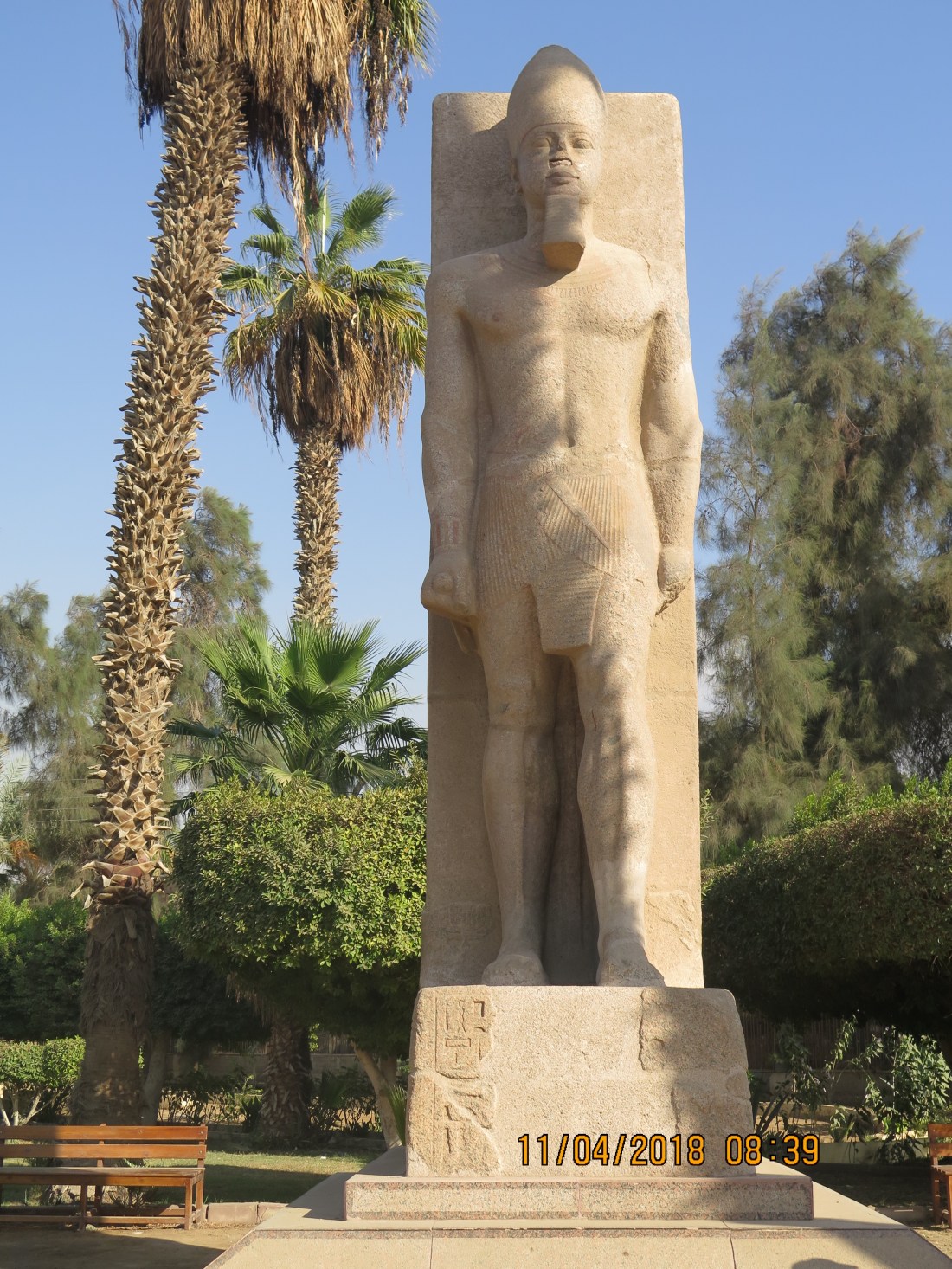
We first visited the open-air museum, to see the colossal limestone statue of the famous Ramses II. Just south is the Saqqara Complex. These look like humble ruins compared to all the others. This was where the first or experimental pyramids were built. You can see the step pyramid of Zoser, the red and the bent pyramid of Dahshur. This is the area where the Old Kingdom pharaohs were buried, while the subjects were buried in hundreds of smaller tombs. You need to go below ground level in an entrance only 5 feet high for about 50 feet to view these ruins. You can see the various stages of development in this complex, as builders gained more confidence in their use of new material and mastering construction techniques. Lot of restoration has taken place to give visitors a safe experience of this historical past.


Day 2 starts after breakfast, when we boarded a flight to Luxor for the Nile river cruise. After landing, we were taken straight to the boat, checked in and had lunch. After lunch, we went for a tour to the KARNAK and LUXOR temples.
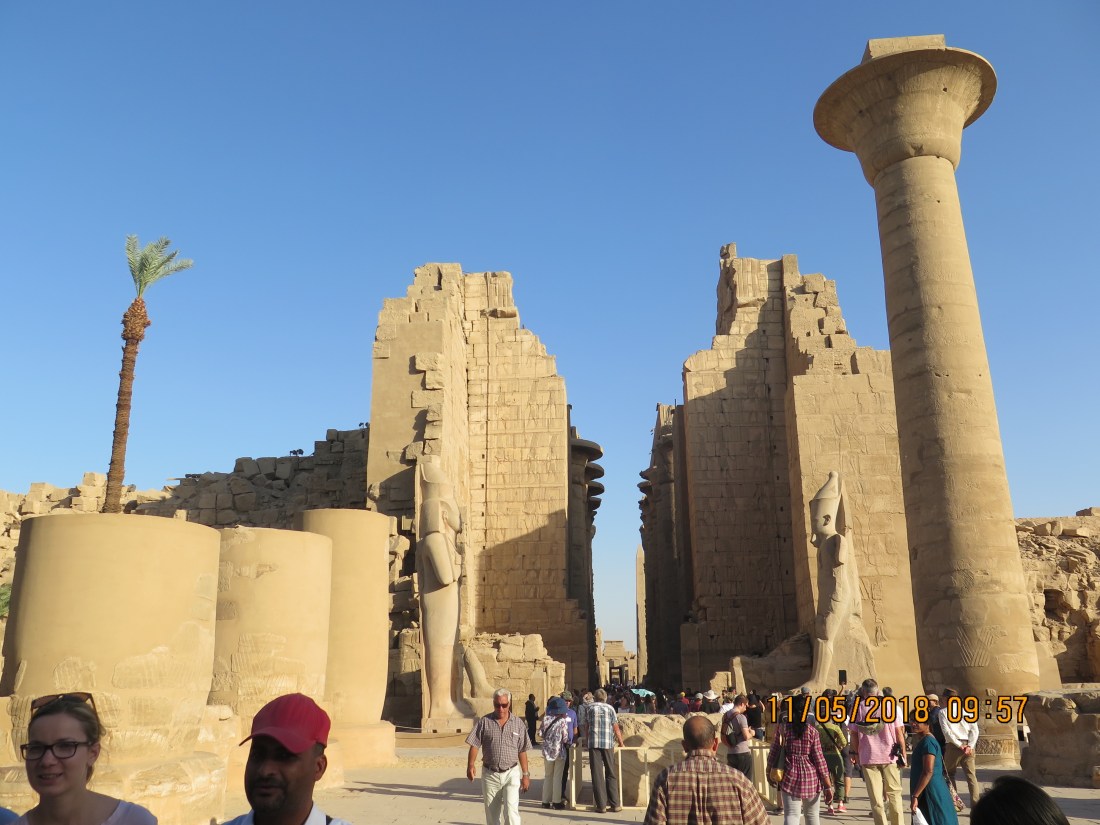
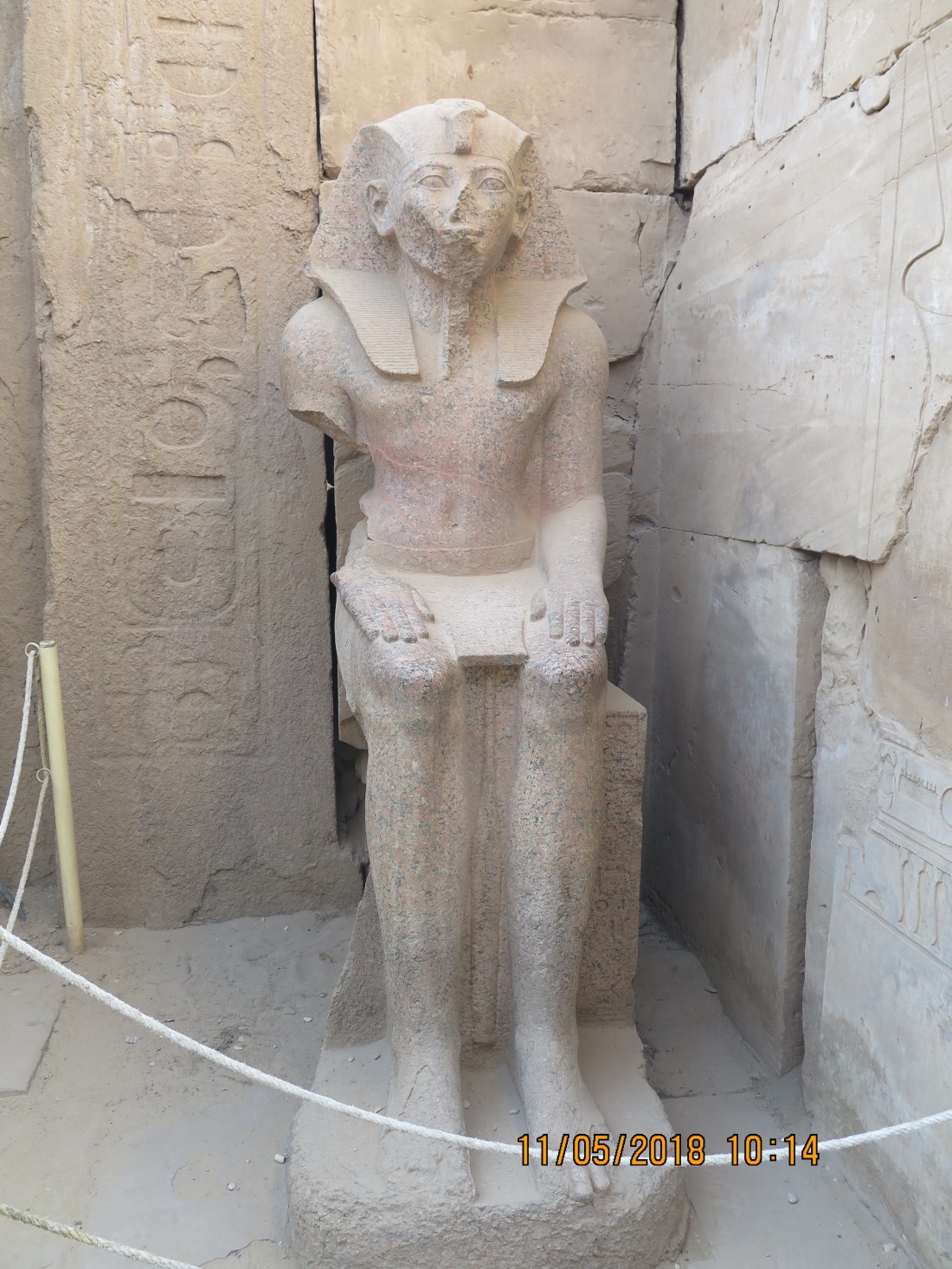
The open air Karnak complex is composed of sanctuaries, kiosks, pylons and obelisks dedicated not only to the THEBAN triad but also to the greater glory of the pharaohs. The huge complex covers 2 square kms., and is dominated by the great temple of AMUN-RA. This is where we get our first look at the now famous teenage phenom, King TUT. The famous hypostyle hall has a spectacular forest of giant papyrus-shaped columns. (Papyrus is a local plant, from which paper was made). The enclosure to the main temple is lined with ram-headed sphinxes. It was recently discovered that buried below the surface, is a paved 3 km avenue linking the Karnak and Luxor temples, lined with human headed sphinxes. This area is now being excavated and restored.
Luxor temple is less complex than Karnak, but still very imposing. There is a massive 24 meters high pylon, first raised by Ramses II and decorated with his military exploits. There are double rows of columns, the walls of which are decorated with scenes of the pharaoh making offerings to the Gods. Right in the middle is a modern day mosque dedicated to a local sheikh. There is even a shrine portraying Alexander the Great as an Egyptian pharaoh. History shows (in Alexandria), Alexander represented himself to the local Egyptians as one of their Gods, for acceptance of his rule.
We returned back to the boat, which was docked there, so that we could visit the west bank the next day.

Day 3 after breakfast, we drove to the west bank of Luxor to see the Colossus of Memnon. These faceless huge statues representing Pharaoh AMENHOTEP III, are about 18 meters high. These figures are cut from a single block of stone and each weighing about 1000 tons. These figures are the main entrance to the funerary temple, which is now slowly being restored.
Next we proceeded to the valley of Kings. This is royal burial ground and has 63 tombs. These tombs are buried deep in the ground, and with a limited number of them open to the public, they are definitely worth visiting. The paintings on the walls of the tombs will leave you gasping. The longest lines are to see the mummy of King TUTANKHAMUN, in its gilded wooden coffin and his Sarcophagus. The reason this tomb was never discovered till recently was because they built this tomb way below another tomb, so the looters would never find it. When this tomb was finally found more recently, it was in all its glory intact, and is in full display at the Cairo museum.
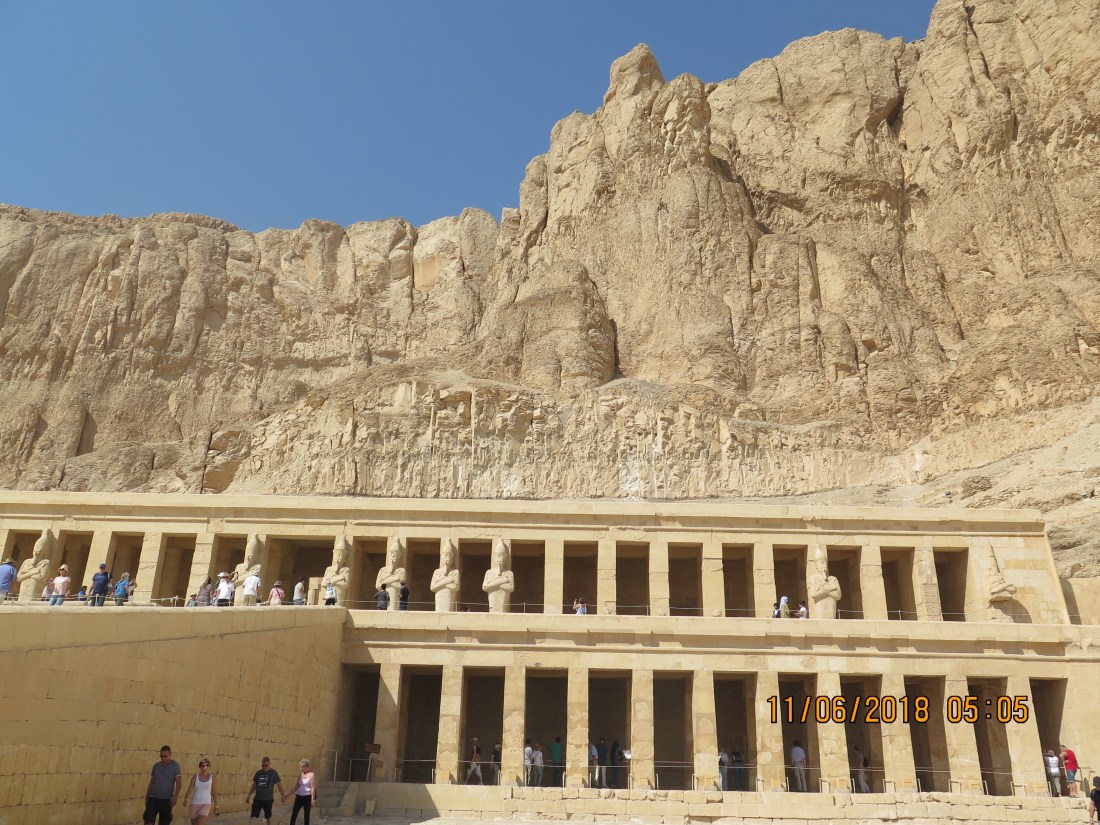
Next we visited the dazzling memorial temple of queen HAPSHEPSUT. This modern looking temple blends in beautifully with the rugged limestone cliffs nearly 300m. tall. Above the temple are Colonnades on both sides and an upper terrace leading to the sanctuary of God AMUN-RA. While restoration work is still in progress, this is a breath-taking monument and a must-see.
We returned to the boat for lunch and the boat set sail. While sailing, it gave us time to explore the boat, meet new people and make new friends.

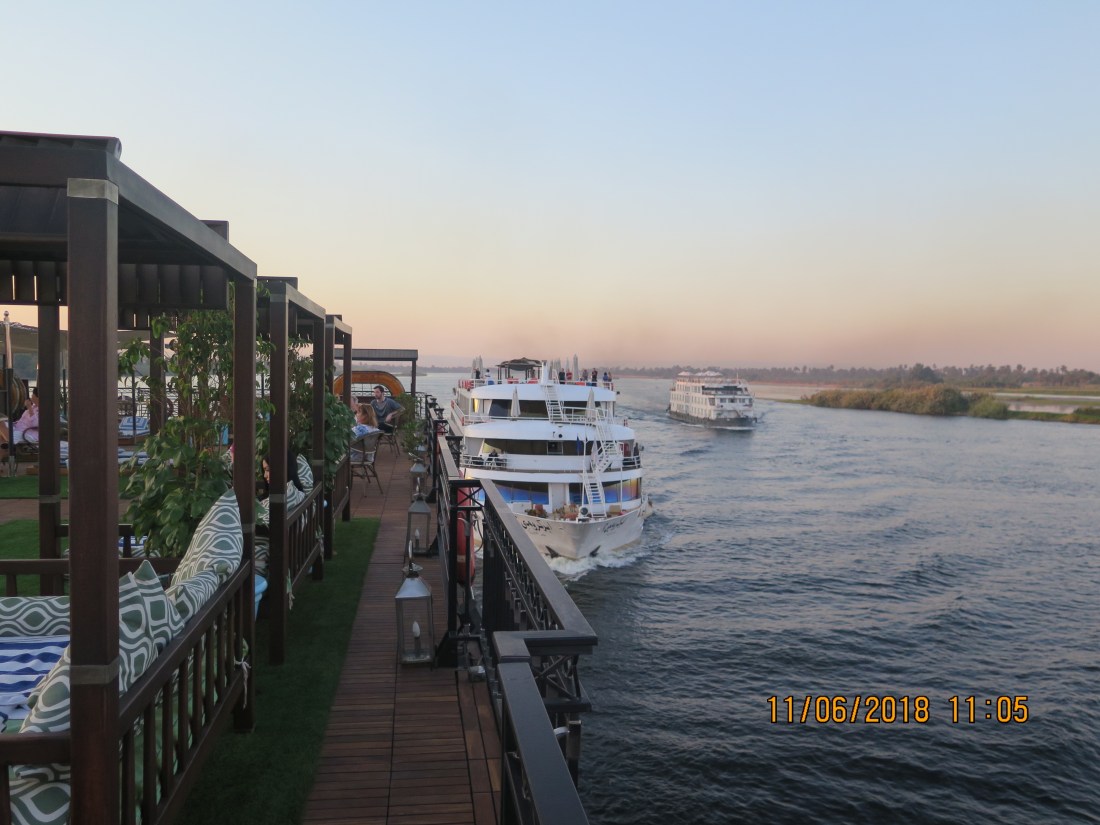

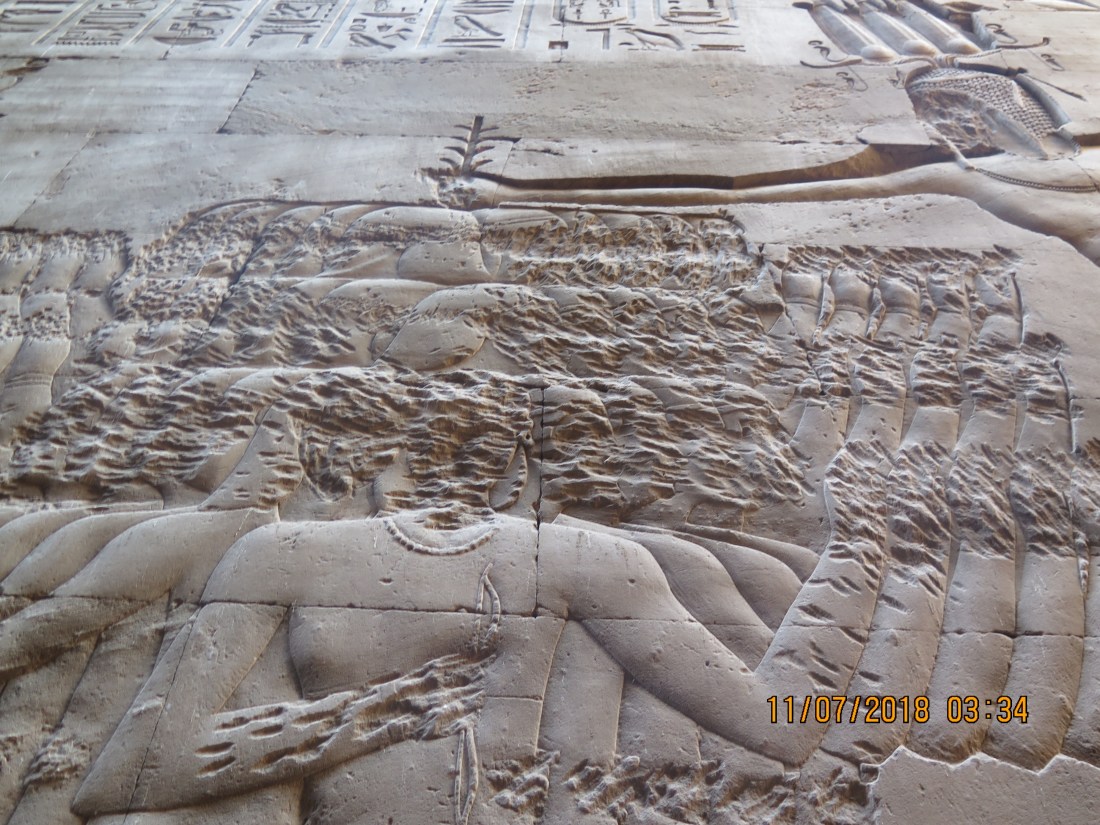
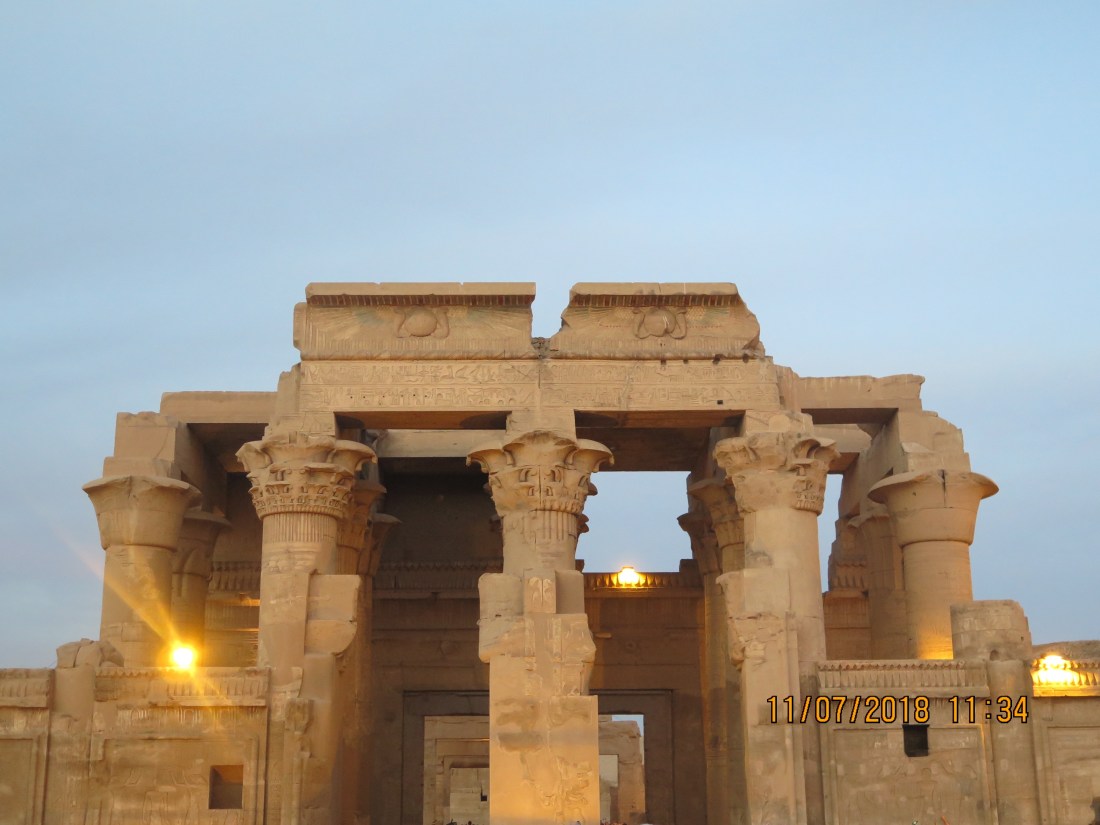
The boat docks and the next morning on Day 4, we are taken to visit the Temple of Edfu. This is probably the best-preserved temple of HORUS, the Falcon god. It gives a very relative view of Paranoiac architecture in conception and design. We return to the boat for lunch and the boat sets sail toward KOMOMBO, to visit its temple. Something very unusual about this temple, is it is shared evenly in half by 2 gods, the crocodile god SOBEK and HORUS. We were told that they might also have had 2 priesthoods. We return to the boat and set sail for our final destination ASWAN.


Day 5, the last day on the boat. The tour in Aswan may seem a little anti-climatic. It is like returning to modern life. We visited an ancient quarry to see an unfinished Obelisk, the largest yet discovered. We toured the huge dam that President Nasser got built, diverted the Nile and made all kinds of changes to the landscape. They even relocated stone by stone of the PHILEA temple to AGILIKA Island. The small boat ride to the island was a lot of fun. We returned back to the boat for lunch and that was officially the end of tours.
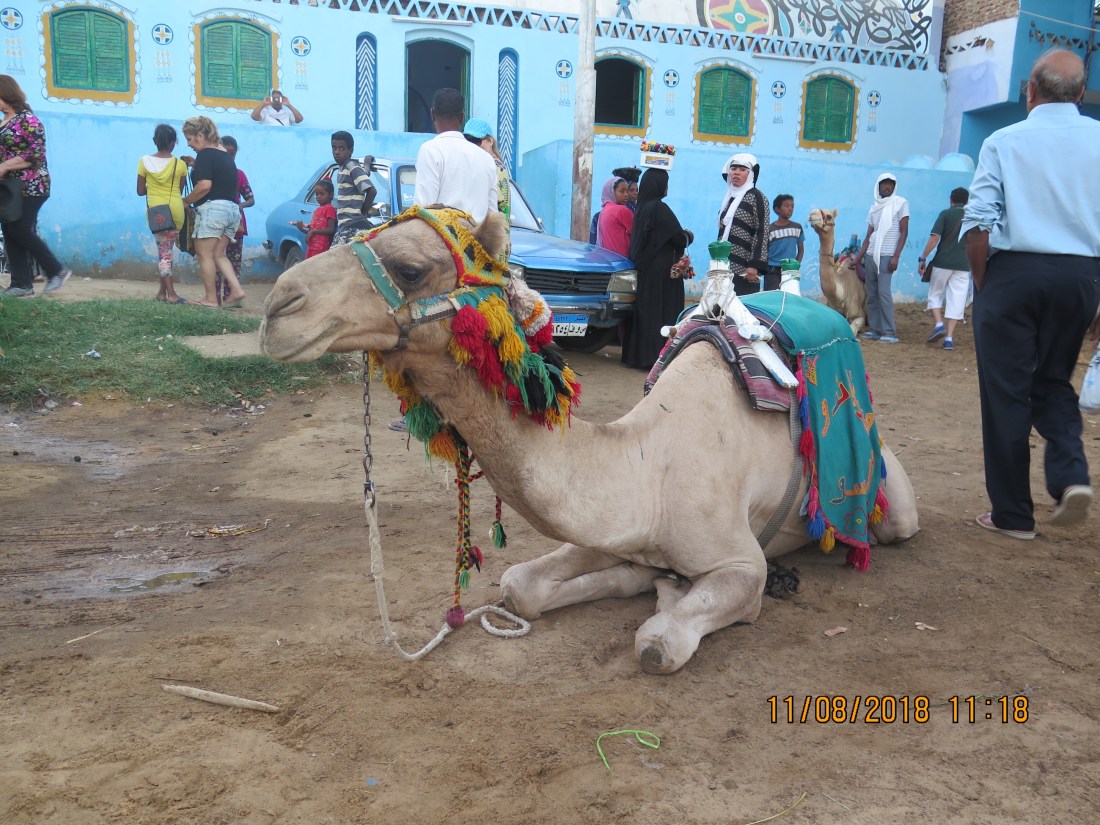
We hired a sailboat and later a motor boat to take us south on the river Nile to visit the native villagers at Nubran. These natives have here for god knows how long. They are a very different people and nothing like the other Egyptians we saw so far. Camels rule the streets. Visiting the village was worth it and the boat ride back and forth was most relaxing.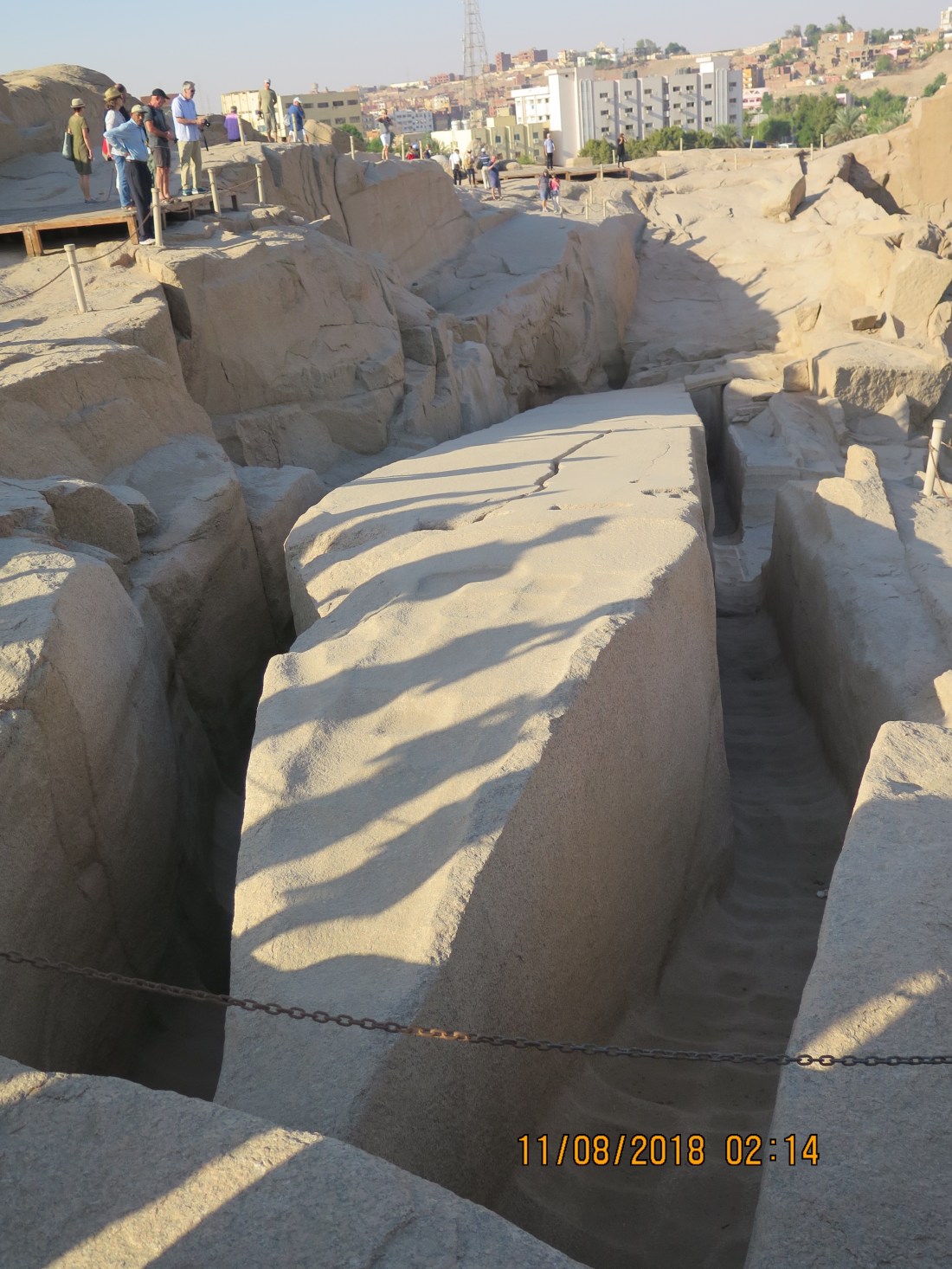
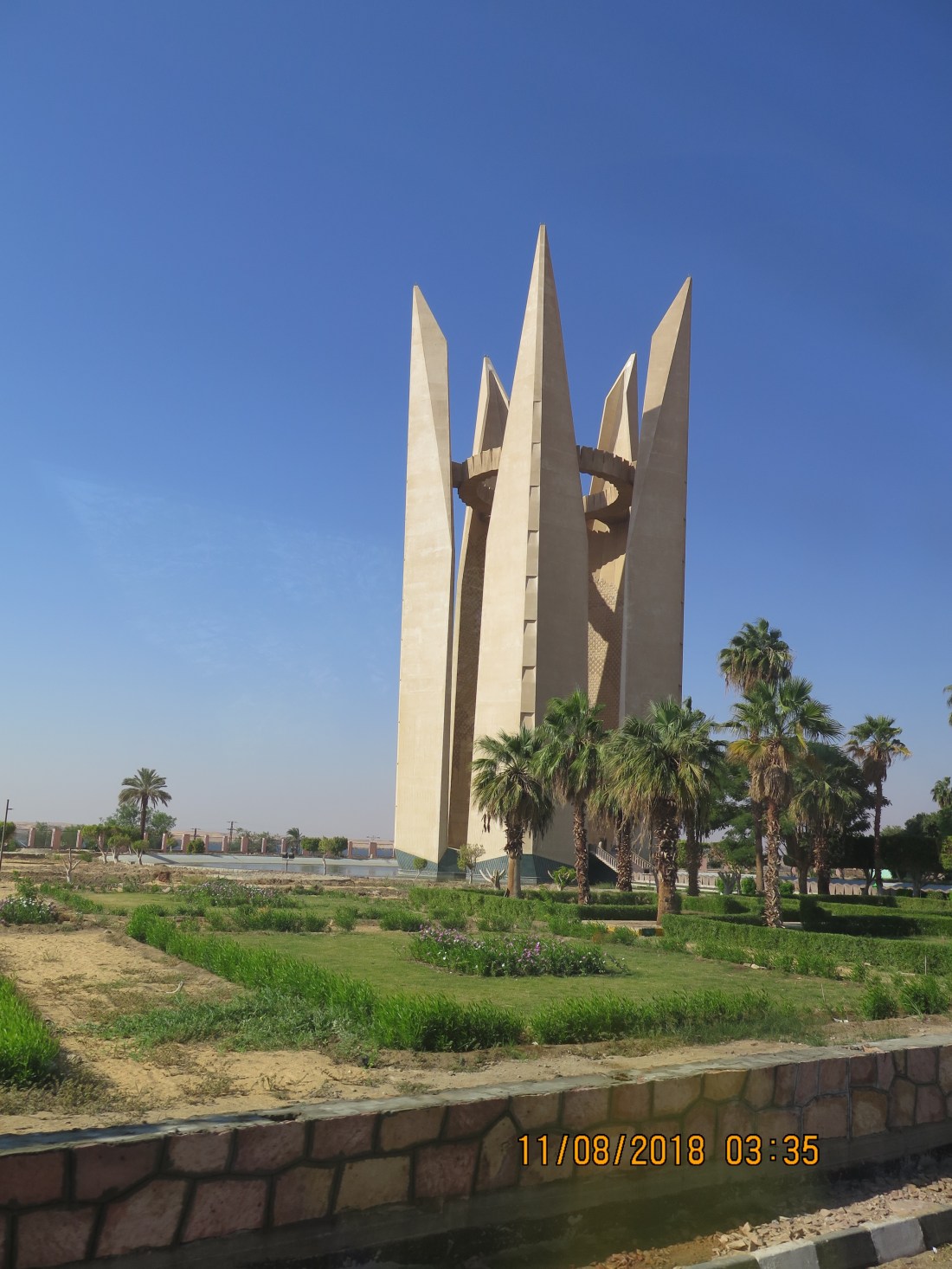

Next morning, we disembarked, headed to the airport and flew back to Cairo.
We went back to Cairo to go to Alexandria. My suggestion, skip Alexandria and from Aswan go to ABU SIMBEL.
From Cairo airport, we drove straight to the Cairo museum. This museum is a must see. Amazing statues and artifacts. The biggest attraction is the Treasure room of King TUT. After all these days of imagining Pharaoh wealth, this really drove home the wealth of ancient Egypt. The “Weapons” room was very revealing. The Pharaohs were not into facial hair and looking at their advanced shaving equipment, I understood why. Don’t buy the museum DVD, it doesn’t work.
After lunch, we visited Coptic Cairo. This place is a fascinating counterpoint to the rest of the city. It is unfortunate that this place needs to be cordoned off with security and limited accessibility just because of the religious significance. You can visit the oldest church, the oldest mosque and the oldest synagogue all within these walls of Babylon. Bought a beautiful piece from the market and shipped to US for the memory. Final tour was to Islamic Cairo, home to the Cairo’s oldest bazaar, Khan El Khalili. We return back to the hotel to prepare of our departure next day to Alexandria.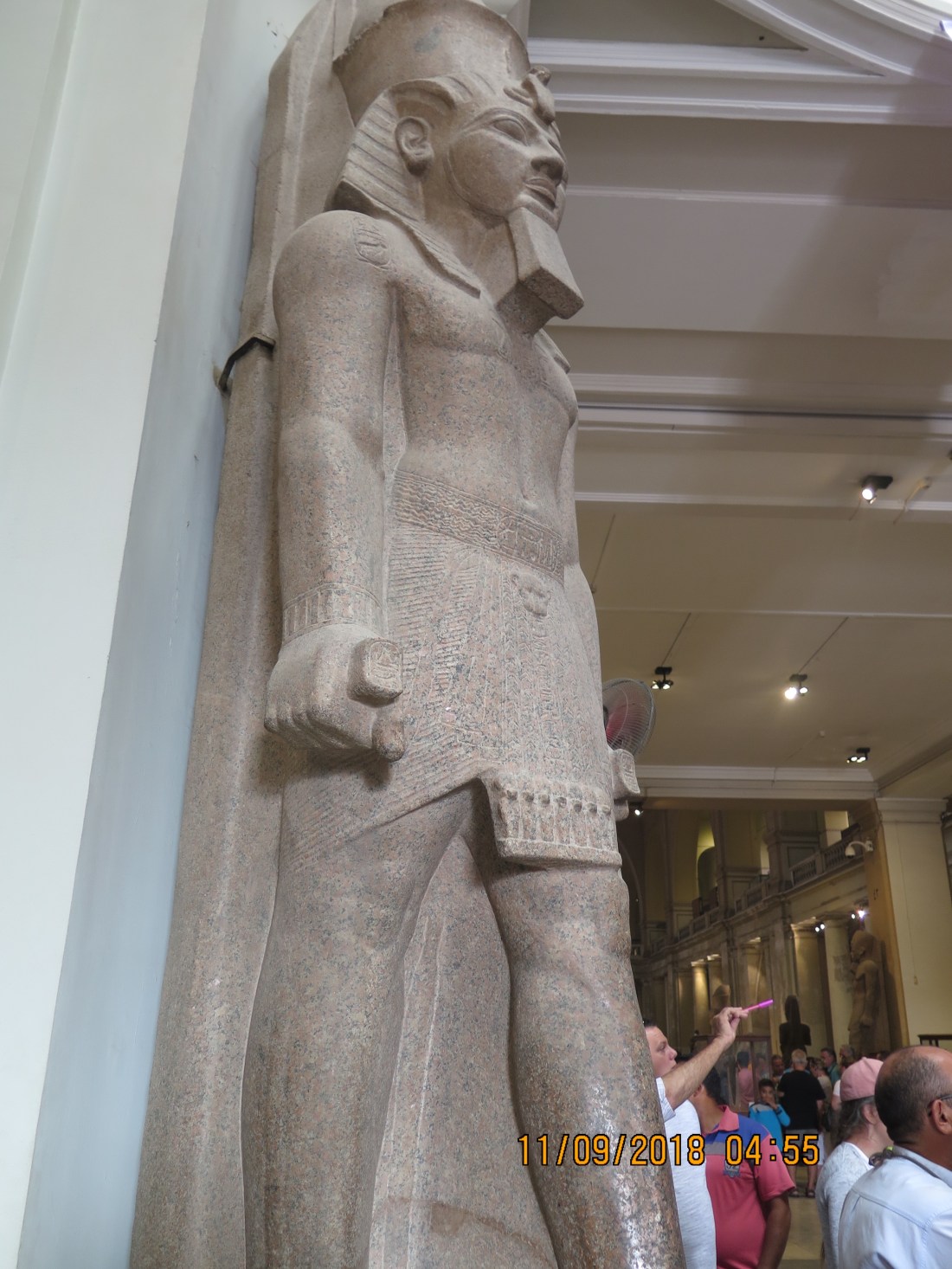


We should have headed home. It’s about a 3-hour drive to Alexandria. We drove straight to see the catacombs. This is an underground Roman cemetery, but accepting the Egyptian process of mummification. After lunch, was a visit to the new Alexandria Library. This was built on the same site as the Great Library, considered the archive of ancient knowledge, which was burnt down. Outside there is a bust of Alexander. After reading so much of the glory of Alexandria during the reign of Julius Caesar and Cleopatra, here there is nothing to see. You could see some if you would take scuba diving lessons for 4 days. Then you will be taken underwater to see those ruins, because they were left there and not brought to the surface for all to see. After the library, we were taken to QAITBAY Citadel, built by Sultan Qaitbay in the 15th century. There is nothing in this city about their Greek or Roman rulers.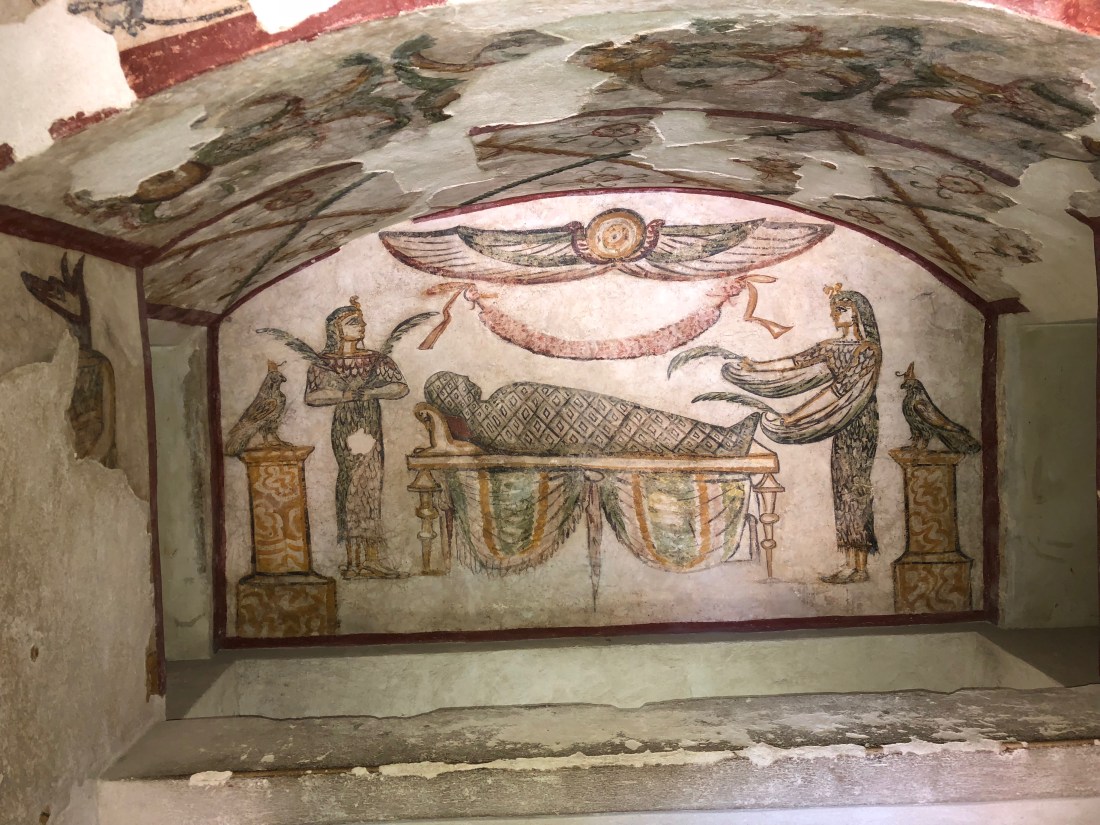

Hoping to see something, the next day we visited the Alexandria museum.
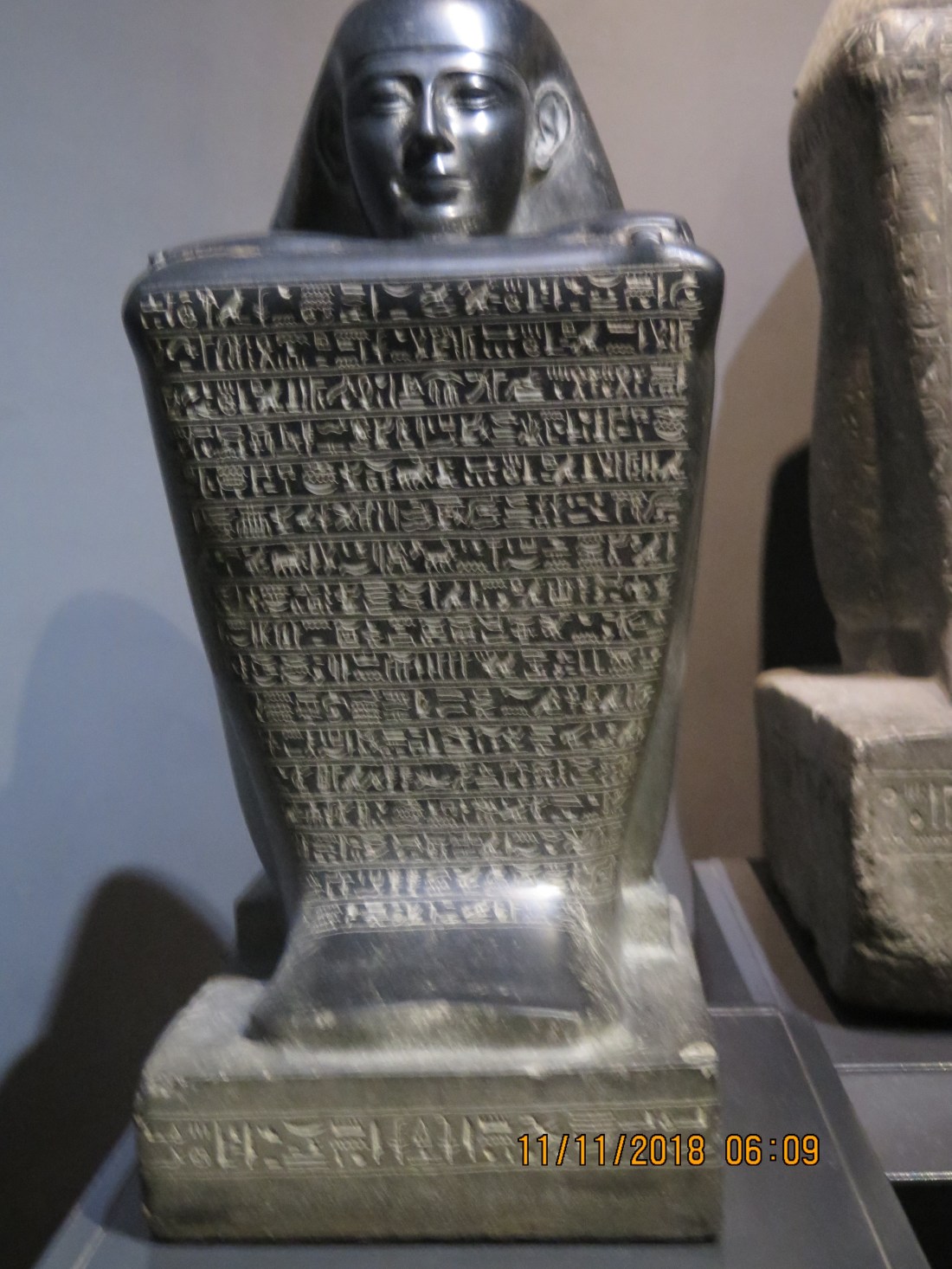
The museum is definitely worth visiting, though it is not as extensive and encompassing as the Cairo museum. This museum does take you from the Pharaohs to the Greek and Roman periods, and then leading into the Byzantine and Islamic eras.
We drove back to Cairo, to prepare for our return back home.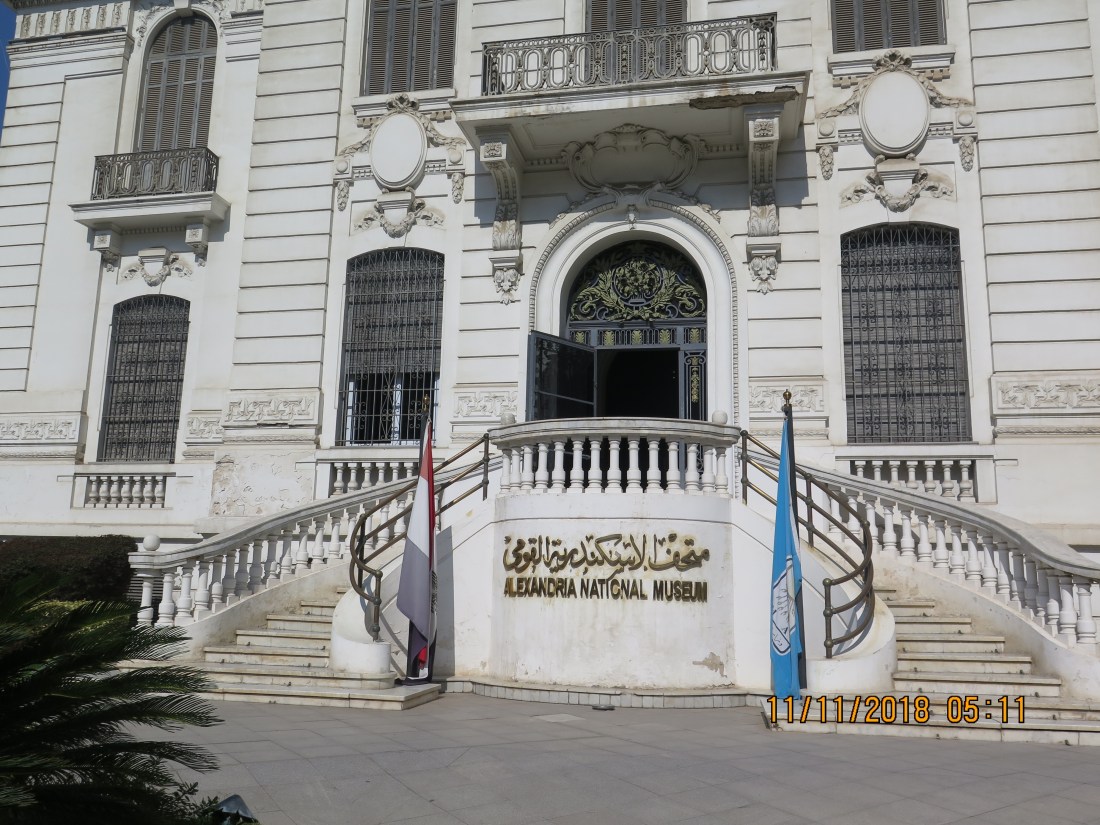
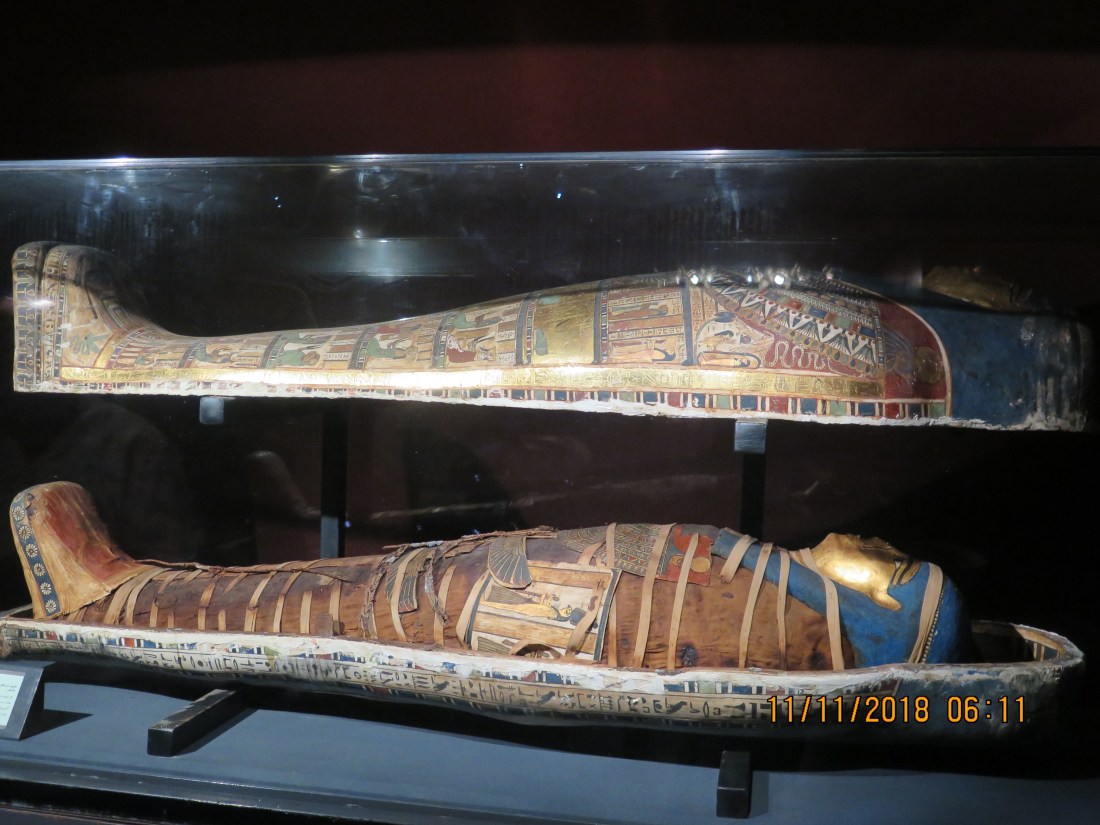
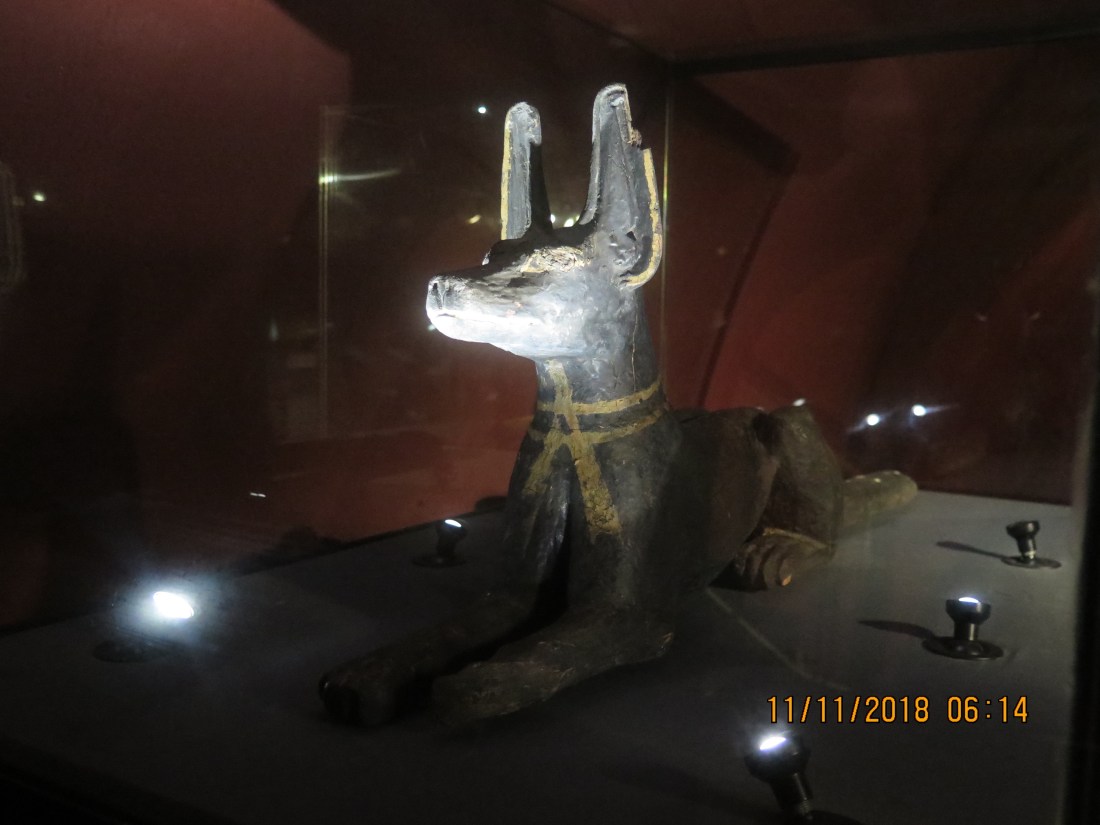
Egypt is a country definitely worth visiting, if you are a history buff. You enter into a time warp that takes you back a few thousand years. You witness a civilization that was not only obscenely wealthy, but were very intellectually advanced. Even today, I don’t think we understand mummification or the process of life and death as they did. We are going to find out a lot more of these people as we keep digging. The whole country of Egypt should be preserved and excavated, because there is a whole lot left to be discovered.

 RCN personal blog